
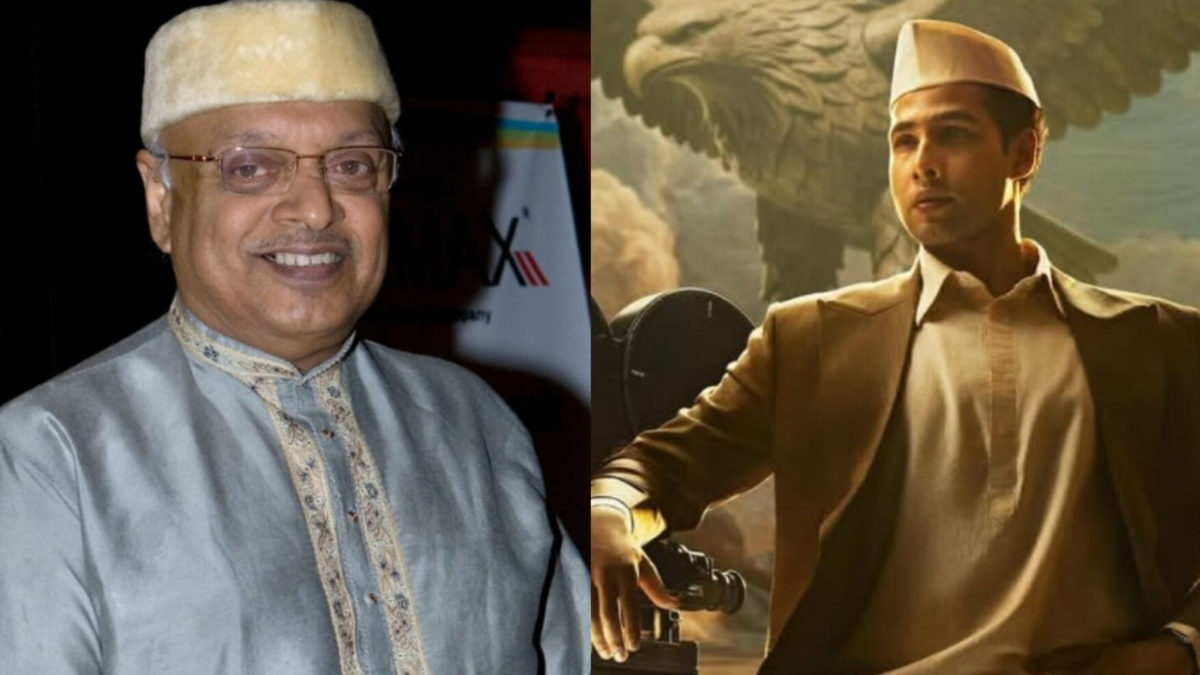
A biographical film based on the life of legendary filmmaker V. Shantaram is currently in development, with the project expected to coincide with the filmmaker’s 125th birth anniversary. The announcement was made by Kiran Shantaram, who revealed that the film is being planned as a tribute to one of the most influential pioneers in the history of Indian cinema. According to him, the makers are aiming for a theatrical release on November 18, 2026, a date that marks the milestone anniversary year of V. Shantaram’s birth.
V. Shantaram is widely regarded as one of the early visionaries who played a key role in shaping the development of Indian filmmaking. His career spanned several decades and multiple technological transitions within the film industry. Beginning during the era of silent films, he continued working through the introduction of sound and later the expansion of colour cinema. Over time, he became known for films that combined strong social themes with visual experimentation and innovative storytelling techniques.
The upcoming biopic will attempt to chronicle different stages of Shantaram’s life and career, focusing on his contributions to cinema and the influence of his work on Indian filmmaking. The project is expected to explore not only his creative achievements but also the broader cultural and historical context in which his films were produced. The intention behind the film, according to Kiran Shantaram, is to document the filmmaker’s artistic journey and highlight the ideas that shaped his approach to storytelling.
Actor Siddhant Chaturvedi has been selected to portray V. Shantaram in the film. Speaking at the announcement event, Kiran Shantaram expressed confidence in the casting decision and stated that Chaturvedi would take on the challenge of representing the filmmaker on screen. The role requires depicting a complex personality who was both a creative artist and a socially conscious storyteller.
The film will revisit several of V. Shantaram’s most notable works, including Do Aankhen Barah Haath, Navrang, and Jhanak Jhanak Payal Baaje. These films are often cited as examples of his distinctive filmmaking style, which blended artistic experimentation with narratives addressing social and moral themes. Over the years, these works have remained significant in discussions about the evolution of Indian cinema.
V. Shantaram’s films were also notable for their technical innovation and visual creativity. He frequently experimented with colour, choreography, music, and staging to create visually distinctive cinematic experiences. At the same time, many of his stories addressed social issues, reflecting his belief that cinema could serve as a medium for raising awareness and encouraging change within society.
For Siddhant Chaturvedi, portraying the iconic filmmaker represents a major responsibility. The actor first gained widespread recognition for his performance in Gully Boy, which introduced him to a broad audience and established him as a rising talent in the Hindi film industry. Taking on the role of V. Shantaram requires engaging with both the historical legacy of the filmmaker and the cultural significance of his work.
The upcoming biographical film aims to introduce the story of V. Shantaram to younger audiences who may be less familiar with his contributions. At the same time, the project is expected to revisit his achievements for viewers who already recognize his role in shaping the artistic and thematic direction of Indian cinema.
The film is being developed with involvement from members of the Shantaram family along with collaborators from the film industry. By combining historical research with cinematic storytelling, the project seeks to document the life of a filmmaker whose work influenced generations of directors and artists.
If released as planned in 2026, the biopic will coincide with a significant historical milestone, marking 125 years since the birth of V. Shantaram. The film is therefore positioned both as a cinematic retelling of a notable life and as part of a broader effort to preserve and revisit the legacy of one of India’s pioneering filmmakers.