
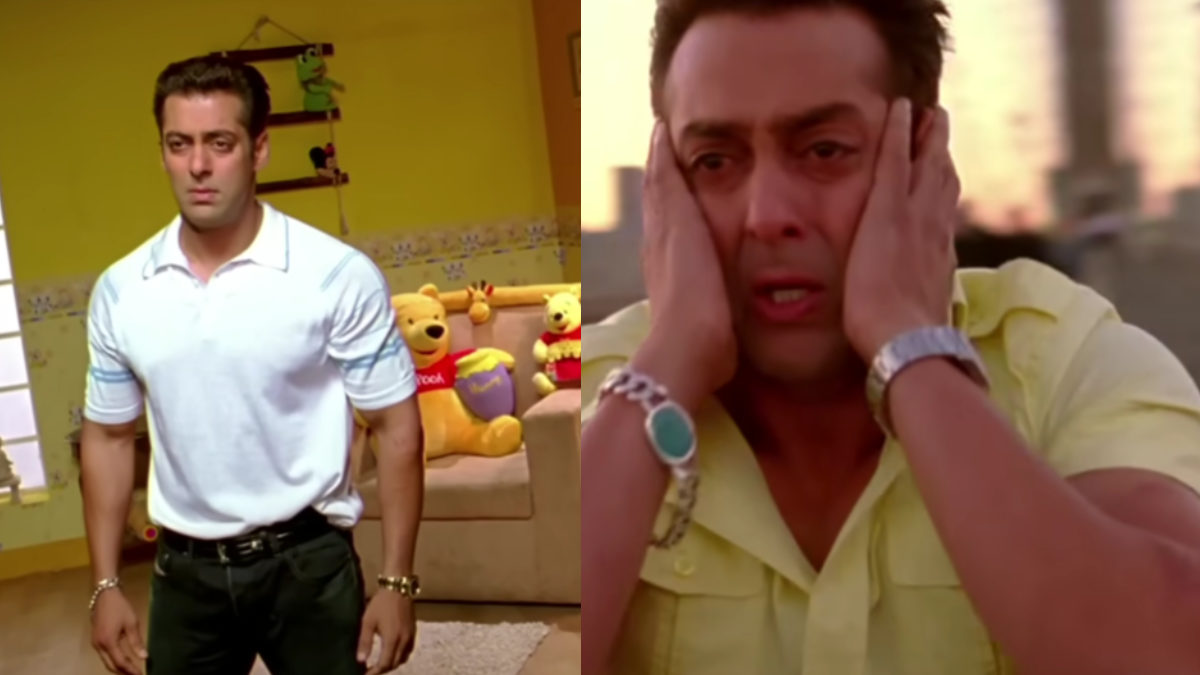
The 2006 Hindi film Jaan-E-Mann featured a prominent cast that included actors Salman Khan, Akshay Kumar, and Preity Zinta. The film also marked the directorial debut of Shirish Kunder, editor and filmmaker who is married to choreographer and director Farah Khan. Although the film did not achieve strong commercial success at the box office when it was released, several aspects of the production particularly its music and visual style have continued to be remembered by audiences. Songs such as Sau Dard and Humko Maloom Hai remain among the most recognisable elements of the film, often revisited by viewers years after its release.
In a recent conversation with content creator Ranveer Allahbadia, Farah Khan spoke about her experience working on the film and shared behind-the-scenes details about the shooting of the song Sau Dard. The track, which depicts the emotional turmoil experienced by Salman Khan’s character, was filmed partly on the Brooklyn Bridge in New York City. According to Farah, the sequence involved an unexpectedly genuine moment from Salman Khan during filming, which contributed significantly to the emotional tone of the scene.
Farah explained that the moment captured in the song, where Salman Khan’s character is seen crying while walking across the bridge, was not created using traditional film techniques such as glycerine to simulate tears. Instead, the actor reportedly became emotionally overwhelmed while performing the scene and began crying for real. Farah recalled that it was the first time she had seen Salman Khan internalise his personal emotions so deeply during a performance. She suggested that certain circumstances in his personal life at that time may have influenced the intensity of his reaction, though she did not elaborate on specific details.
The filming conditions on the Brooklyn Bridge also added complexity to the situation. According to Farah, the shoot took place in an environment where pedestrians were moving across the bridge, and some occasionally bumped into members of the crew. As a result, the camera capturing the scene was sometimes unstable, and the surroundings were not entirely controlled in the way a traditional film set might be. Despite these disruptions, Farah decided not to interrupt the shot because the actor’s emotional performance appeared authentic and powerful.
She explained that the crew was moving around Salman Khan while filming, creating a dynamic visual style in which the camera circled the actor as he walked across the bridge. During this moment, the actor reportedly broke down and continued crying while the camera recorded the scene. Farah said that because the emotions appeared genuine, she chose not to call for a cut, allowing the moment to continue naturally until the shot was complete. In her view, the authenticity of the performance added a unique dimension to the sequence.
Farah later reflected on the irony that while the emotional moment in the film was powerful, the film itself did not perform well commercially when it was released. Speaking humorously about the situation, she remarked that after the film failed to achieve box office success, she too felt like crying. Despite this outcome, she continues to regard Jaan-E-Mann as one of the projects that featured some of her best creative work, particularly in terms of song choreography and visual storytelling.
The filmmaker also noted that the film’s music and the way its songs were filmed did not receive the recognition she believed they deserved at the time of release. Over the years, however, audiences have revisited the film and its soundtrack with greater appreciation. This has led some viewers to describe Jaan-E-Mann as a film that gained recognition gradually after its initial release.
Another factor that affected the film’s commercial performance was its release timing. Jaan-E-Mann premiered on the same day as Don, the action thriller starring Shah Rukh Khan. The simultaneous release created direct competition at the box office. Farah recalled an anecdote related to that day, noting that Salman Khan even attended the premiere of Don. She joked that she had to remind him that his own film had been released the same day.
Although Jaan-E-Mann did not achieve major financial success during its theatrical run, the film continues to be discussed in retrospective conversations about Bollywood cinema of the mid-2000s. The emotional moment captured during the filming of Sau Dard remains one of the memorable stories associated with the production, illustrating how unexpected authenticity during a performance can sometimes leave a lasting impression even when a film’s overall reception is mixed.