

It is irrefutable that Iran is in the midst of a bloody revolution. As millions of brave Iranians take to the streets across the nation protesting the Islamic Republic, the death toll estimates are in the thousands in just over two weeks—the largest massacre in modern Iranian history. Over 17,000 have been arrested. The regime imposed a total internet blackout, cutting 85 million people off from the world and blinding it to the atrocities being carried out on the Iranian people.
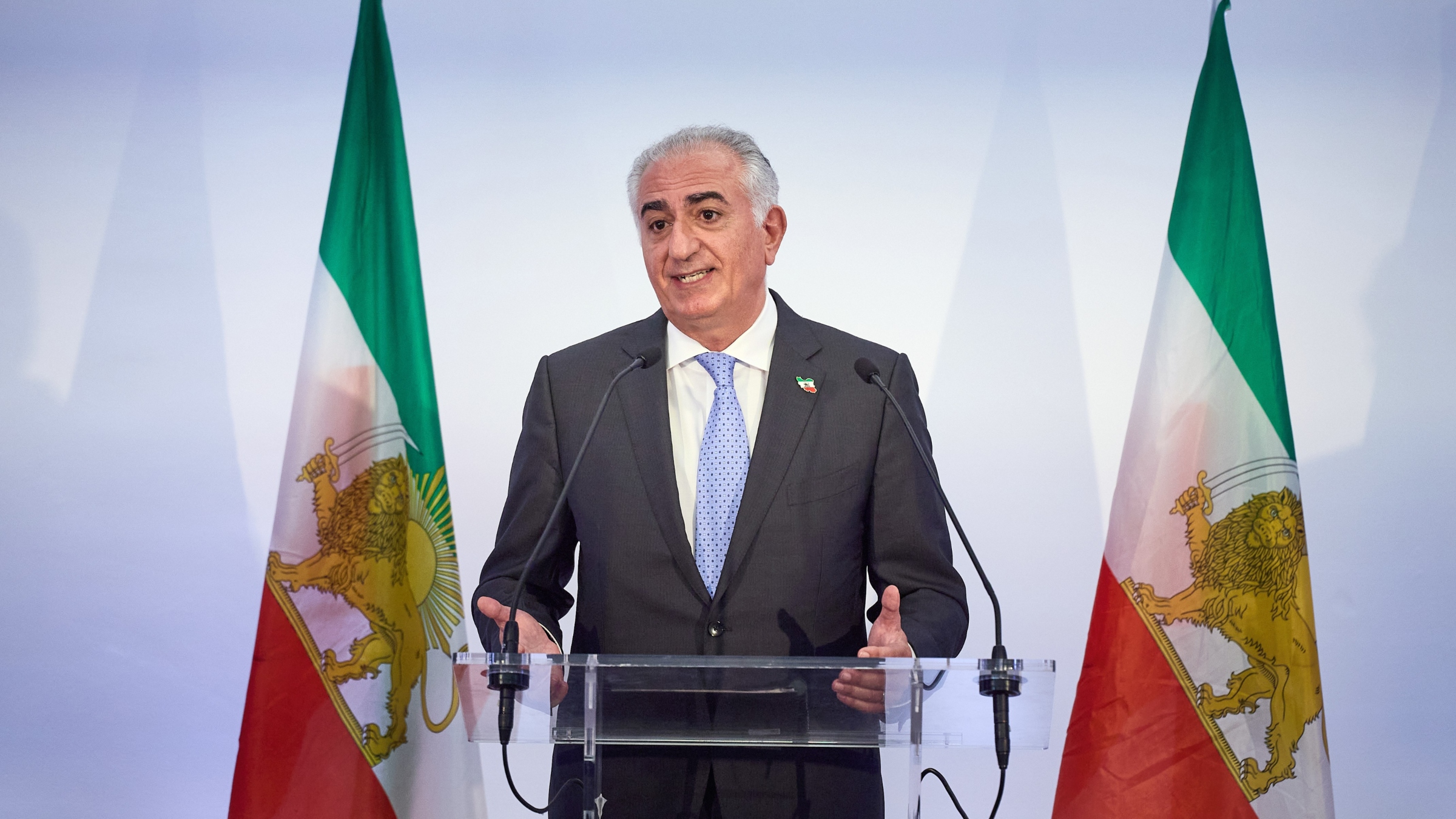
But the 47-year nightmare of the Islamic Republic may be coming to an end. Through all this chaos, a name has emerged repeatedly: Reza Pahlavi, the 65-year-old crown prince living in exile. Revolutionaries flooding all 31 provinces are chanting “Javid Shah!” (“Long Live the King”), “This is the last battle—Pahlavi will return!” and “Reza Shah, may your soul be blessed.” There is widespread support for the prince in Iran. Defying the threat of execution, even people in the military have stood behind him.
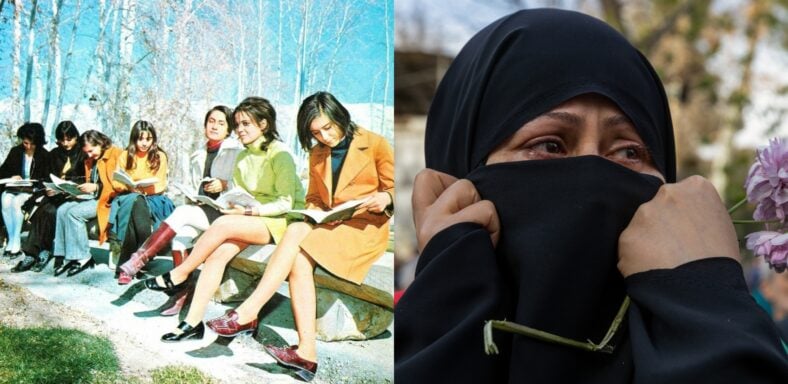
Pahlavi possesses capabilities few opposition figures can match. He has stronger public support than any competitor in independent polls. However, many Iranians—and observers worldwide—are still unsure whether he is the best hope for a democracy in Iran. Older Iranians have fond memories of his father, Shah Mohammad Reza Pahlavi. Younger Iranians only have memories of oppressive theocratic rule, but yearn for a new direction.

The Islamic Republic claims the protests are foreign-orchestrated conspiracies, driven by Western agitators. Ali Larijani, Iran’s Secretary of the Supreme National Security Council, compared President Trump to Hitler. On state television controlled by the Supreme Leader, the regime showed a photo of President Trump’s 2024 assassination attempt with the caption: “This time it will not miss the target.”
While the regime acts as if protests are dying down, they are simultaneously making threats, massacring thousands, and cutting internet access. This only reveals their desperation.
It is time for a regime change in Iran. It is time to release the state from the church. Here are some reasons Reza Pahlavi may be the right man for the moment.
He understands democracy. Pahlavi has spent nearly five decades living in the United States. He graduated from USC, raised a family in America, and has witnessed democratic governance firsthand.
He is a unifying symbol. Iran’s opposition spans monarchists, republicans, secular liberals, and ethnic minorities who historically cannot work together. Yet Pahlavi commands triple the public support of his nearest competitor, according to polls. At his July 2025 Munich Conference, the Convention of National Cooperation to Save Iran, over 500 opposition figures from across the ideological spectrum endorsed his transition framework. His name carries recognition across all generations and Iran’s diverse ethnic groups. He is a known quantity. Anyone else would be a miss.
He has built organizational infrastructure for democracy. His Iran Prosperity Project outlines a detailed three-phase plan: emergency stabilization (180 days), institution-building with constitutional referendum (approximately 2 years), and economic recovery. He has established communication channels claiming contact with tens of thousands inside Iran’s security apparatus. He can go at warp speed. As a fighter pilot trained by the U.S. Air Force, he knows how to deal with pressure.

History offers a warning. President Richard Nixon recounted visiting the dying Shah in Mexico. The Shah told him that American policy uncertainty encouraged his enemies and discouraged supporters. One day Washington publicly urged him to stand firm; the next day leaks suggested U.S. officials were meeting with Ayatollah Ruhollah Khomeini, the radical cleric most responsible for Iran’s 47-year nightmare. “What happened to the Shah could only be interpreted [as] it is dangerous to be a friend to the United States, and it may pay to be an enemy,” Nixon said. “The Shah was the best friend of the United States in that area, and the whole Persian Gulf area, and it was Israel’s only friend.” The crown prince is committed to reestablishing those same relationships today. For many, the idea of an alliance among Iran, Israel, and the U.S. is unfathomable. But what seems like an impossibility today will become a reality under Pahlavi.
When Iran’s regime falls, the country faces immediate decisions about nuclear armament, sanctions relief, and regional security. The West desperately needs reliable Middle Eastern allies. With Pahlavi leading a free Iran, America could have a second democratic partner alongside Israel. Iran could pivot from terrorism exporter to regional stabilizer.
The alternative is catastrophic: civil war along ethnic lines, another authoritarian regime, or state collapse. The 1979 revolution showed how popular uprisings can be hijacked when moderates fail to lead.
This is Iran’s Berlin Wall moment. The regime is crumbling. Whether Iran emerges as a democracy or descends into chaos may depend on Pahlavi, the person who can best bridge Iran’s divides. This is the time. The Shah was the best friend to the West and to Israel. The son of the Shah is the only hope for peaceful prosperity.