
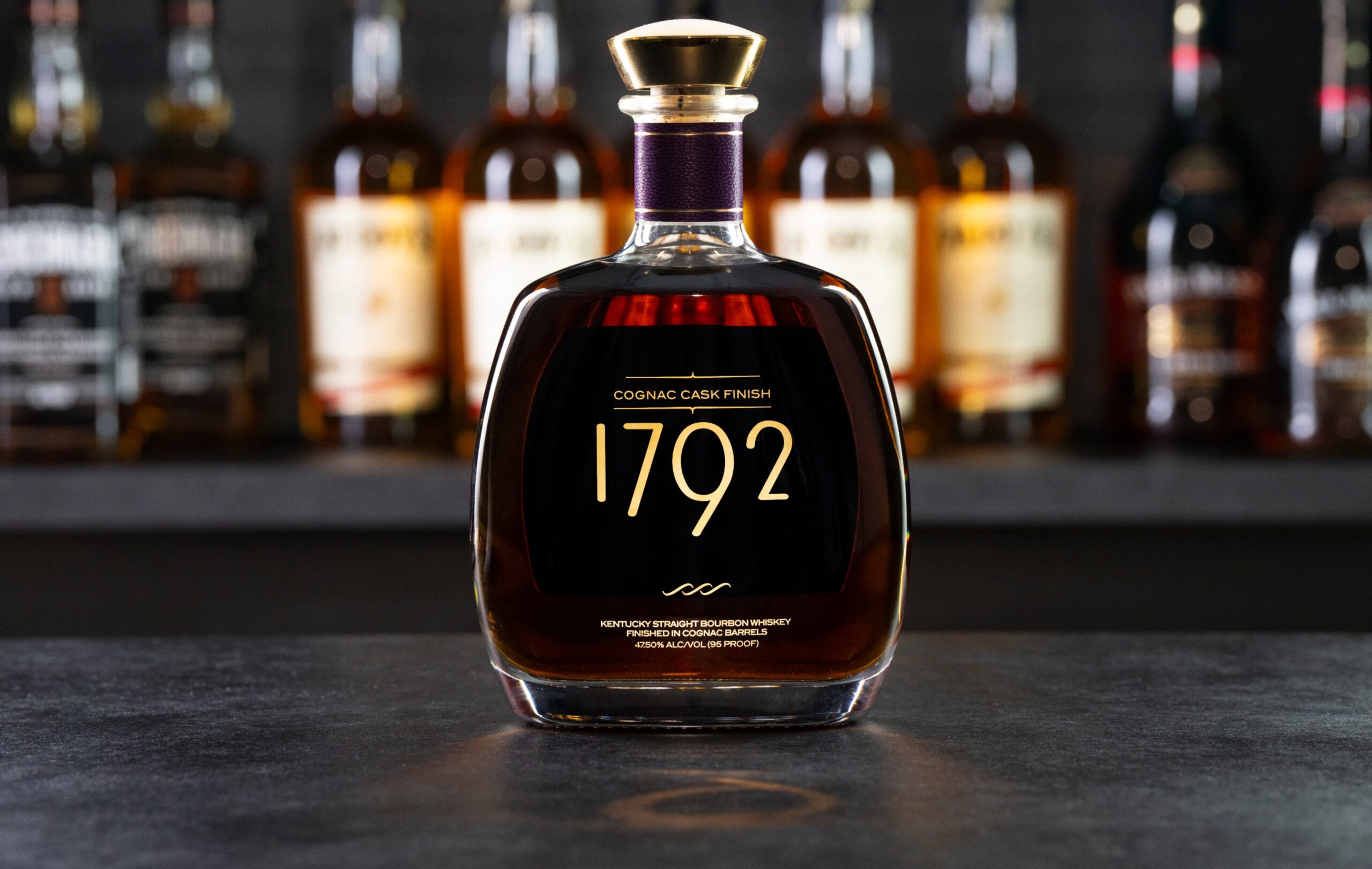

In 2026, we’re finally seeing distillers figure out how to make a great whiskey with an unusual finishing cask: cognac. Cognac casks were the surprise performers of 2025, and there are enough of them now to make an argument that this one-time oddity finish is now emerging as a stable subcategory.
Over the last decade, bourbon distillers have experimented to the limits of imagination with their whiskeys, and the results have been mixed. Rum has done exceedingly well; tequila finishes are still trying to prove themselves. As for Dickel’s Tabasco experiment, well, it was brave.
Cognac-finished bourbons aren’t new, but most distillers have struggled to “get it right” in the past. Finishing a whiskey is a little like baking: overbaked cognac finishes are often overly fruity, hinting at bubblegum and other too-sweet flavors, while losing any identity as a whiskey made of corn, rye, wheat, and any other grains. Underbaked? You won’t really know the cognac is there.

2025 seems to be the year that everyone has started to lock in, though — at least with award-winning brands like Bardstown Bourbon Company, Barton 1792, and A.H. Hirsch. On paper, their whiskeys are similar — bourbon finished in cognac for less than two years. The proofs are different, but not profoundly so — Barton 1792 comes in at 95 proof, Bardstown comes in at 107, and Hirsch lands at 115.2. But it’s how each distillery found the balance that made them all so different.
Hirsch’s Cognac Cask selects 30-year-old barrels from HINE cognac that previously held their XO liquid. Once those barrels arrive in Kentucky, it takes another 22 months before they’ve reached peak influence. “The French Oak casks add a layer of almond, light nutmeg, citrus, and tannic structure that leads to a dry finish,” says Kevin Aslan, Head Distiller for Hirsch. “The cognac that these casks absorbed over the 30-year aging period balance out the bourbon’s vanilla and baking spice quality into a nicely balanced yet complex whiskey.”
Bardstown Bourbon sourced their casks from Maison Ferrand, and filled those casks with a blend of four American whiskeys. This is their second time working with cognac casks, and that experience may have led them to a shorter maturation period of just 15 months. Maison Ferrand Finish II is 73 percent 9-year-old Kentucky bourbon, 10 percent 11-year-old Kentucky bourbon, 10 percent 12-year-old Kentucky bourbon, and 7 percent 6-year-old Kentucky rye. “The addition of rye to this blend adds spice and structure,” Dan Callaway, Master Blender, who leads Bardstown’s finishing and blending, explained, “creating a layered, complex whiskey that’s both familiar and adventurous.”
Barton 1792, meanwhile, finishes for just six months, but they make up for their short maturation by sticking these barrels on the top floors of the rickhouses, where, as the company explains, “rising heat intensifies aging and interaction with the wood.”

“We’ve experimented with a range of premium cask finishes,” says Ross Cornelissen, Barton 1792 Master Distiller, “but Cognac immediately stood out for how naturally it complements our Small Batch Bourbon. Extended finishing in Cognac casks reveals dessert-like notes and layered complexity, while showcasing the full-bodied character of the Small Batch Bourbon and its signature high-rye recipe.”
When drinking these side by side, you start to understand that all three whiskey makers were going for different things. Barton 1792 Cognac Cask Finish is light, bright, fruity, and juicy; Hirsch’s palates have made more subtle use of the cognac cask, leaving whiskey rye spice and wood sugars to take the spotlight, and the cognac really just offers a sort of diffusion filter to a tasty whiskey. Bardstown’s Ferrand Finish, meanwhile, skews more citrusy-bright than Barton’s, and more soft and lacy than Hirsch’s. It’s a bit juicy like the 1792 bottle, but in a sort of lemon-iced, toasted poundcake way.
All of these bottles are objectively good, but which one you should purchase is a subjective question. The affordably priced 1792 Cognac Cask Finish ($38) is without Hirsch’s ($180) selected Hine 30-Year-Old XO casks, and likewise without Bardstown’s Ferrand-sourced casks that lend themselves to the $140 MSRP.
Personally, I’d recommend buying all three bottles. This is the first time that cognac cask has been a subcategory, and three semi-available bottles make up a sensible flight. For an academic exercise in expanding your palate, that’s well worth the sub-$400 price tag of collecting all three for retail. There are good bottles on the market with a higher price that will show you less about what you love, and teach you less about good whiskey, now that there’s enough good whiskey to fill a flight.
G. Clay Whittaker is a Maxim contributor covering lifestyle, whiskey, cannabis and travel. His work has also appeared in Bon Appetit, Men’s Journal, Cigar Aficionado, Playboy and Esquire. Subscribe to his newsletter Drinks & Stuff for whiskey reviews and trends, perspectives on drinks, and stuff.