
The Super Bowl halftime show is no longer just a musical break between two halves of a football game. It has evolved into one of the biggest stages in global entertainment, a platform where artists are not just performing songs but creating cultural moments that are remembered for years. Some performances entertain, some spark debate, and a few end up rewriting history through sheer scale and impact.
Over the decades, several halftime shows have drawn extraordinary viewership, proving that music, spectacle, and storytelling can captivate audiences just as much as the sport itself.
One of the earliest performances to truly redefine the halftime show was Michael Jackson’s legendary appearance, which drew more than 133 million viewers. His performance set the standard for modern halftime productions. The scale, choreography, and crowd engagement transformed the show from a simple concert into a global television event. Almost every halftime show since has been measured against that benchmark.
Years later, Madonna delivered one of the largest halftime audiences ever recorded, reaching approximately 140 million viewers. Her show was theatrical, dramatic, and unapologetically grand, combining elaborate staging with high-energy choreography. It proved that halftime shows were no longer just about music but about spectacle.
Beyoncé’s halftime performance, watched by over 110 million viewers, became an instant cultural talking point. It was powerful, precise, and commanding, demonstrating how an artist can dominate a stadium with confidence and minimal distraction. Her performance continues to be cited as one of the most impactful halftime moments in modern history.
Bruno Mars followed with a performance that reached over 115 million viewers, reminding audiences that raw talent and stage presence could still carry a show without relying entirely on elaborate visuals. His musicianship and charisma made the performance feel energetic and authentic.
Coldplay’s halftime show, which also featured Beyoncé and Bruno Mars, attracted roughly 115.5 million viewers. The collaboration created a colorful, celebratory atmosphere and showed how combining artists from different styles could broaden the show’s appeal.
Lady Gaga’s halftime performance drew approximately 118.5 million viewers and became iconic the moment she leapt from the stadium roof. Her ability to deliver flawless vocals while executing complex staging elevated the show into something cinematic.
Katy Perry’s performance, watched by more than 120 million viewers, remains one of the most viral halftime shows ever. From elaborate costumes to memorable stage visuals, it proved that halftime shows could dominate social media as much as television ratings.
Rihanna’s halftime performance reached around 121 million viewers and became one of the most talked-about shows in recent years. Performing solo on suspended platforms while revealing her pregnancy created a moment that was both intimate and historic.
More recently, Kendrick Lamar delivered a performance watched by over 133 million viewers, blending music with social commentary and visual storytelling. His show demonstrated that halftime performances could also be politically and culturally resonant without losing mainstream appeal.
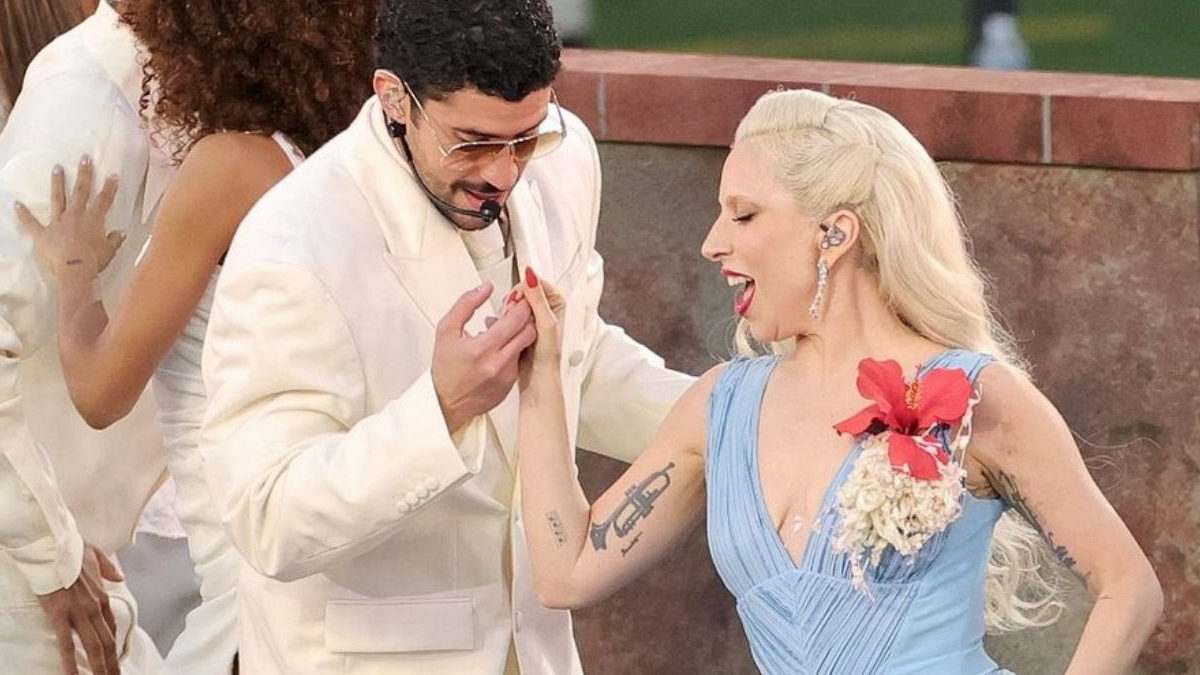
Lady Gaga y Ricky Martin fueron los invitados de Bad Bunny en este show con sabor latino y las redes explotaron 🤯🤯🤯#Ladygaga #badbunny #halftimeshow pic.twitter.com/rWQibwIweA
— Ticket el Hámster 🐹 (@ticketelhamster) February 9, 2026
And now, Bad Bunny has joined that elite list. His halftime show reportedly reached around 134.5 million viewers, placing him among the most watched performers in Super Bowl history. The performance stood out not only for its music and staging but also for its strong cultural messaging and emotional energy. It sparked conversations worldwide and showed how global artists are reshaping what American stages look and sound like.
What makes these performances memorable is not just the numbers. It is the way they capture a moment in time. Each of these shows reflected the cultural climate, musical trends, and audience expectations of their era.
The Super Bowl halftime show has become more than entertainment. It is a cultural mirror, a political stage, and sometimes even a platform for social commentary. Artists know that when they step onto that stage, they are not just performing for a stadium but for hundreds of millions watching across the world.
And if recent years have proven anything, it is that the halftime show is only getting bigger.