
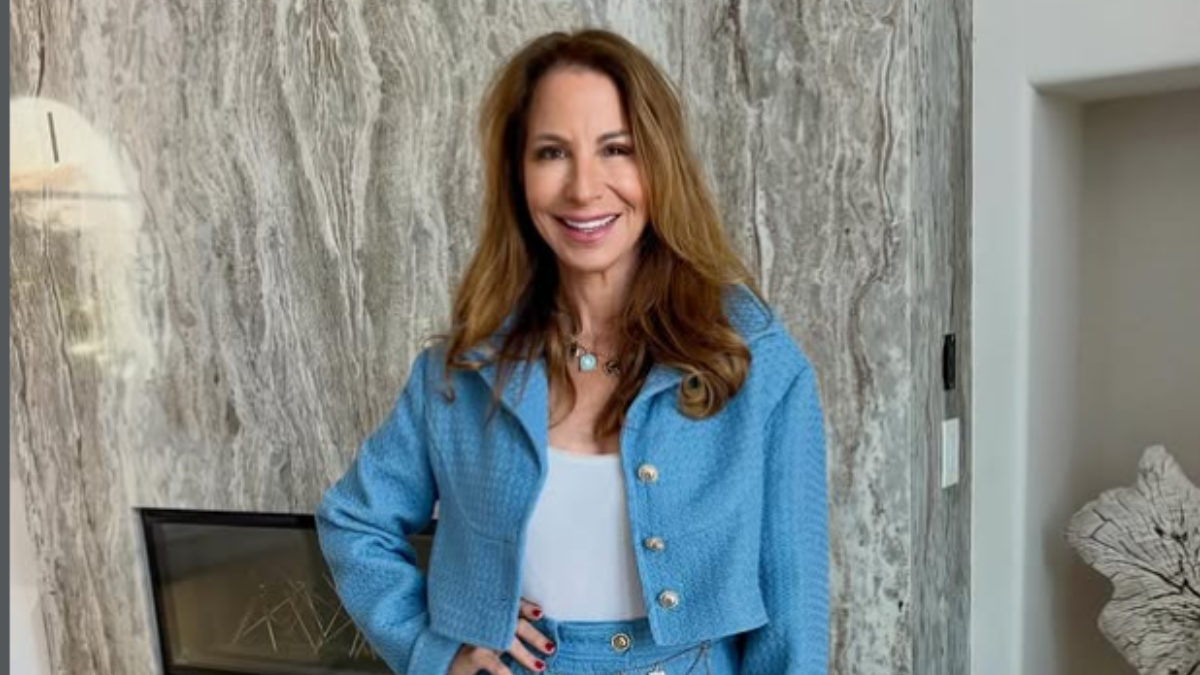
Jill Zarin is facing intense backlash after remarks she made about Bad Bunny’s Super Bowl halftime performance, and according to media reports, the controversy has now cost her a spot on the E! reunion series The Golden Life. The decision comes after her comments during a discussion about the halftime show were widely criticized online as racially insensitive and culturally dismissive.
During her remarks, Zarin criticized the performance, saying she did not understand the show because she did not speak Spanish and suggested it felt political to her. She also questioned the creative direction and claimed the NFL had “sold out,” while expressing discomfort with the performance’s tone and choreography. One of the most criticized parts of her rant was her statement implying that the show lacked diversity because, in her words, she saw “no white people,” a remark that many viewers and commentators called tone-deaf and offensive, especially given the performance’s focus on Puerto Rican culture and Latin music.
The reaction online was swift. Social media users accused Zarin of reducing a culturally significant performance to stereotypes and of dismissing an artist performing in his native language. Many pointed out that the Super Bowl halftime show has historically featured performers from a wide range of backgrounds and that Bad Bunny’s set was widely praised for celebrating identity, unity, and heritage.
The controversy escalated quickly, and reports emerged that E! decided to distance itself from the situation. Sources indicated that Zarin would no longer appear in the reunion special tied to The Golden Life. While the network has not issued a detailed public statement about the decision, multiple entertainment outlets have reported that the backlash and the nature of the comments played a significant role.
The incident has sparked a broader conversation about representation in mainstream entertainment. Supporters of Bad Bunny argued that criticism rooted in not understanding the language misses the point of music as a universal form of expression. Others said the backlash against Zarin reflects a shift in how audiences respond to public figures making culturally insensitive remarks, especially at a time when conversations around race, identity, and inclusion are highly visible in media and entertainment.
At the same time, some commentators have debated where the line falls between personal opinion and harmful rhetoric, noting that public figures are increasingly held accountable for statements that may once have passed without widespread scrutiny.
Bad Bunny’s halftime performance itself remains one of the most talked-about shows in recent years, not only for its music and staging but also for its message about love, unity, and cultural pride. The strong reactions to both the performance and Zarin’s comments show how powerful live television moments can become flashpoints in larger cultural discussions.
Whether this marks a permanent setback for Jill Zarin’s television presence remains to be seen, but the episode serves as another reminder that in today’s media environment, public commentary travels fast, and consequences often follow just as quickly.