
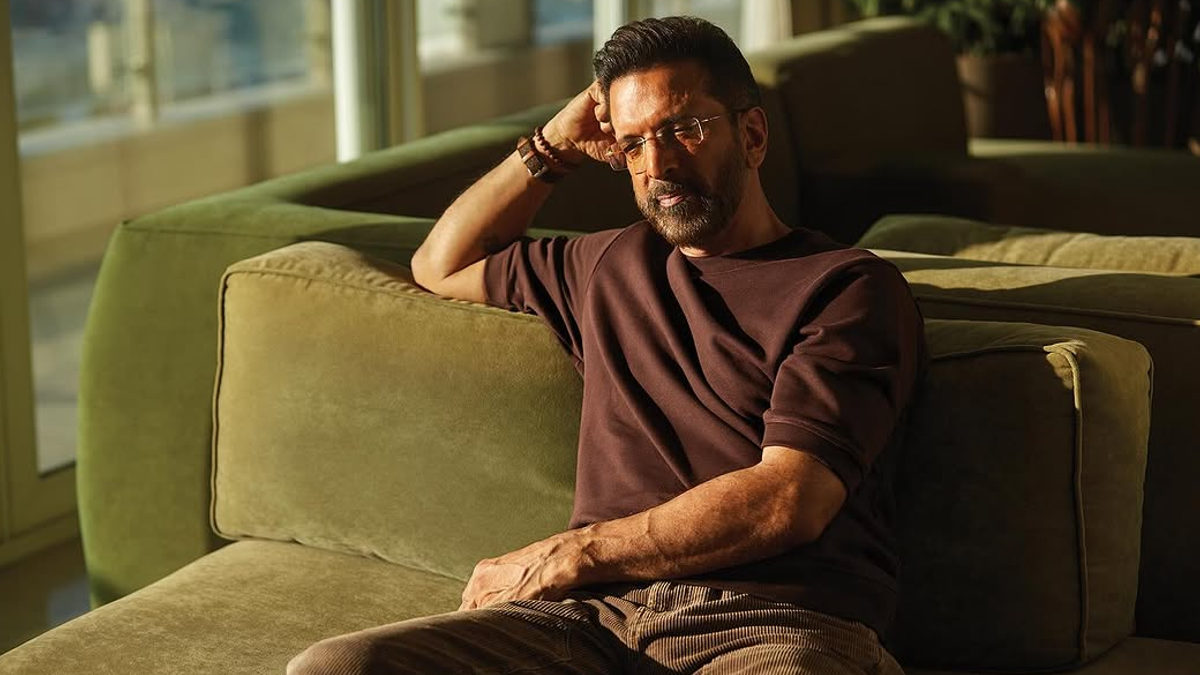
Actor Jaaved Jaaferi has shared his thoughts on the ongoing debate surrounding composer A. R. Rahman’s recent remarks about alleged communal bias in the Hindi film industry, offering a wider and more reflective view on how the entertainment landscape has changed over the years. Speaking during promotions for his upcoming film Mayasabha, Jaaved addressed the issue in an interview with IANS, choosing to frame the discussion within the context of the industry’s rapid evolution rather than focusing solely on allegations of discrimination.
With a career spanning more than four decades, Jaaved Jaaferi has witnessed Bollywood transition through multiple phases—right from the era of single-screen theatres to the rise of multiplexes, streaming platforms, and now the growing influence of artificial intelligence and data-driven content creation. When asked whether he had personally encountered anything similar to what Rahman alluded to in his comments, Jaaved refrained from giving a direct yes-or-no answer. Instead, he highlighted how deeply the industry has been shaped by broader global changes.
According to Jaaved, the transformation of cinema mirrors the transformation of the world itself. “Industry has changed like the world has changed,” he said, pointing to technological shifts such as digital platforms and AI. He added that changes are visible everywhere—from fashion and food to values and cultural narratives. “Obviously, the narrative is changing,” he noted, stressing that storytelling today is influenced by factors that did not exist a few decades ago.
One of the most striking observations Jaaved made was about shrinking attention spans among younger audiences. He revealed that he had recently learned that the average attention span of Gen Z and Gen Alpha audiences is now estimated to be as short as six seconds. This shift, he explained, has dramatically altered how content is created, marketed, and consumed. “Channel heads say that if you cannot capture attention in six seconds, it’s gone,” he said, underlining how ruthless the competition for viewer engagement has become.
Jaaved elaborated that these changing dynamics directly affect creative decision-making in the industry. While there are still opportunities to tell stories in long formats—such as feature films or web series—time and space are increasingly limited. Creators are constantly balancing artistic intent with practical constraints. “There are choices,” he said, “but at the same time, there is business. There are numbers. You are making a project, not a film.” His remark highlighted how commercial viability often takes precedence over purely creative considerations in today’s ecosystem.
Rather than directly commenting on claims of bias or discrimination, Jaaved’s response appeared to suggest that many established artists may be feeling the impact of structural and commercial shifts rather than being intentionally sidelined. His comments implied that the dominance of metrics, audience analytics, and profitability has become a defining force in determining who gets opportunities and how frequently.
The discussion gained momentum following A. R. Rahman’s interview with BBC Asian Network, where the Oscar- and Grammy-winning composer spoke about receiving fewer offers from Bollywood in recent years. Rahman hinted that changes in power structures and “communal” elements—referring broadly to religion, regional identity, and internal industry politics—may have influenced the trajectory of his career over the last eight years.
These remarks quickly sparked controversy, with social media users and commentators interpreting them as an allegation of bias within the Hindi film industry. The debate intensified as opinions became polarised, with some supporting Rahman’s perspective and others criticising the suggestion of discrimination.
In response to the backlash, Rahman later released a video clarification, stating that his words had been misunderstood. He emphasised that he never intended to hurt anyone and reiterated his deep connection with India as both an artist and a citizen. The composer also reaffirmed that his music has always celebrated unity, inclusivity, and cultural harmony, values that have defined his work across languages and regions.
Jaaved Jaaferi’s measured response adds a different layer to the conversation. Rather than framing the issue as a binary debate about bias, he pointed to a more complex reality—one where technology, audience behaviour, and commercial pressures are reshaping the industry at an unprecedented pace. His perspective suggests that the challenges faced by artists today may be as much about adapting to a new ecosystem as they are about navigating power structures.
As the conversation around Rahman’s remarks continues, Jaaved’s comments serve as a reminder that Bollywood, like the rest of the world, is in a constant state of flux—where change, rather than continuity, has become the defining feature.