
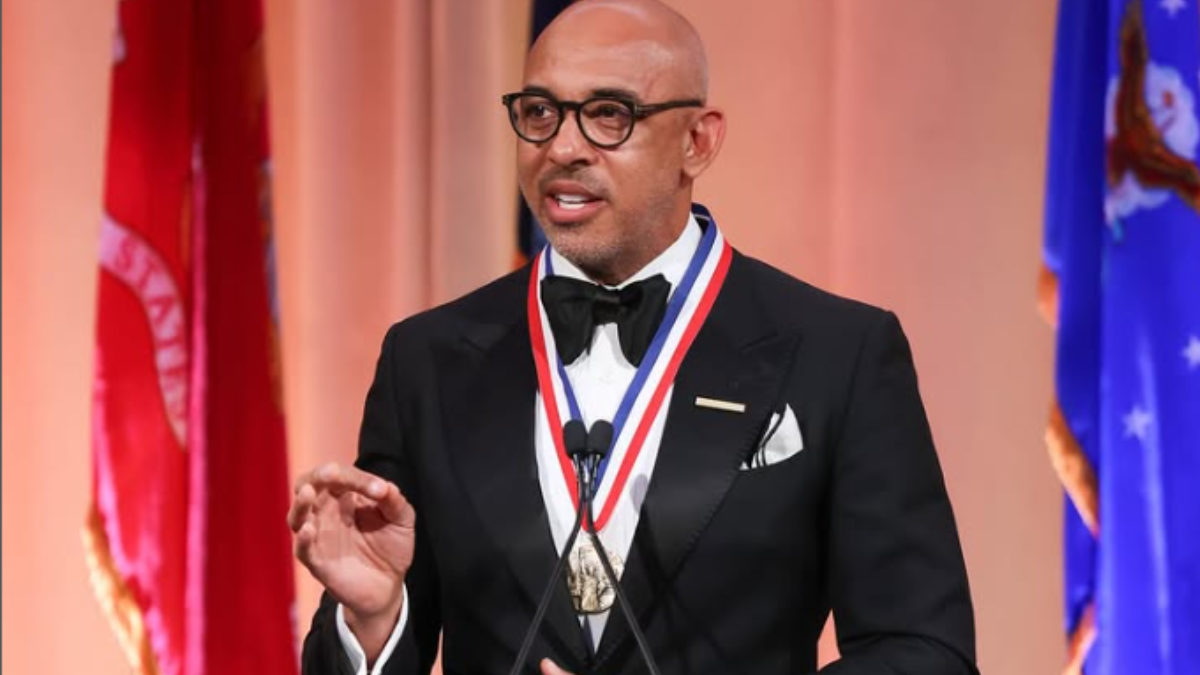
Grammy CEO Harvey Mason Jr. has finally addressed the lingering controversy surrounding The Weeknd’s absence from the nominations list, despite the artist previously calling out the Recording Academy and later returning to perform on the Grammy stage. Speaking to Billboard, Mason was asked directly why The Weeknd failed to secure even a single nomination, and his response has reignited debate about how the awards are judged.
According to Mason, the decision ultimately rests with the voters and not with personal relationships, performances, or past conflicts. “It’s really down to the voters listening to the music,” he said, stressing that nothing else should influence the process. “None of the other things should matter. All that should wash away.” His comments appeared to be an attempt to reinforce the idea that the Grammys are, at their core, about artistic merit rather than politics or public perception.
Mason further explained that the voting process is meant to focus strictly on the work released during the eligibility period. “It should be about the music you released in the 12 months of the eligibility period,” he stated, adding that voters are expected to ask themselves a simple question. As a voter, did I think it was the best in the category that it’s entered in? He emphasised that this is how the music should ideally be evaluated.
However, Mason also acknowledged the limits of his role in predicting outcomes. “Beyond that, I can’t predict what the voters will do,” he admitted, making it clear that the final results are out of the Academy’s hands once voting begins.
The Weeknd’s history with the Grammys has been complicated, especially after he famously called out the institution following his complete shutout in 2021. Although his return to the Grammy stage was seen by many as a sign of reconciliation, his latest snub has once again raised questions among fans and industry watchers.
Mason’s comments may not silence the criticism, but they underline the Academy’s ongoing insistence that the Grammys are decided by voters and driven solely by the music itself.